


It’s happened to all of us: You forget the sunscreen before heading outside, left your hat at home or neglected to put a shirt on when hanging out in the hot Texas sun, and now you’ve got a sunburn. But, how bad is a sunburn, really? According to researchers, really bad.
How Bad?
Even just one single sunburn can increase your risk of developing skin cancer. The risk goes up because the skin absorbs ultraviolet (UV) radiation from sunlight. This radiation can cause damage to the genes of the skin cells.
But all you see is red and burned skin on the surface. Sometimes you see your skin blister (yes, this can happen with a sunburn!) and peel. You may not think much about it, because nothing is seemingly wrong. But, below the surface, the UV radiation wreaks havoc. The more sunburns you get, the more damage builds up, and your risk of skin cancer jumps significantly.
But even exposure without a burn can cause damage to your skin cells and increase your chances of developing skin cancer, too.
Start with Sunscreen
The risk of skin cancer should have you reaching for a sunscreen with SPF 30 or higher and choosing clothing and hats to protect your skin. Additionally, we recommend that you not only apply the sunscreen before going out, but also reapply later after swimming and towel-drying your skin. Also, seeking shade under an awning, umbrella or even a tree can protect you from the sun’s harmful rays.
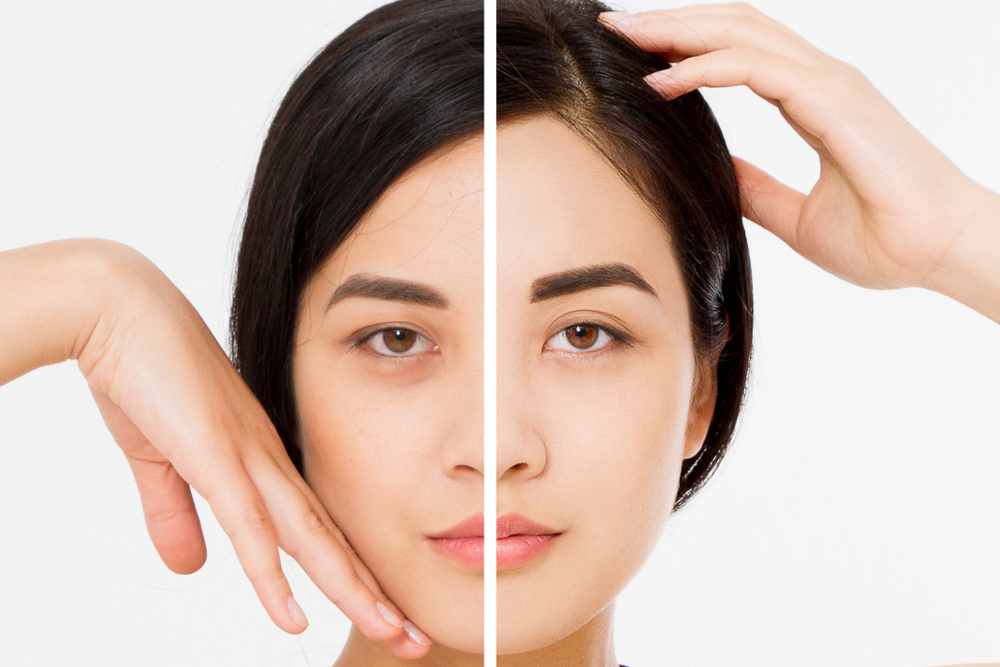
In addition to the risk of skin cancer, UV rays can contribute to premature aging in the form of lines, wrinkles and creases. These signs of aging develop because collagen and elastin, the skin’s two most important proteins, are destroyed by repeated sunlight exposure. Additionally, UV rays can cause uneven pigment because they stimulate the production of melanin, the substance that gives skin its pigment.
Are you noticing the signs of aging? We can help reduce uneven pigment, lines, creases and more with rejuvenating skin options such as microdermabrasion, chemical peels and injectables. Call Dr. Mayli Davis today in Colleyville, Texas, at 817-778-4444.