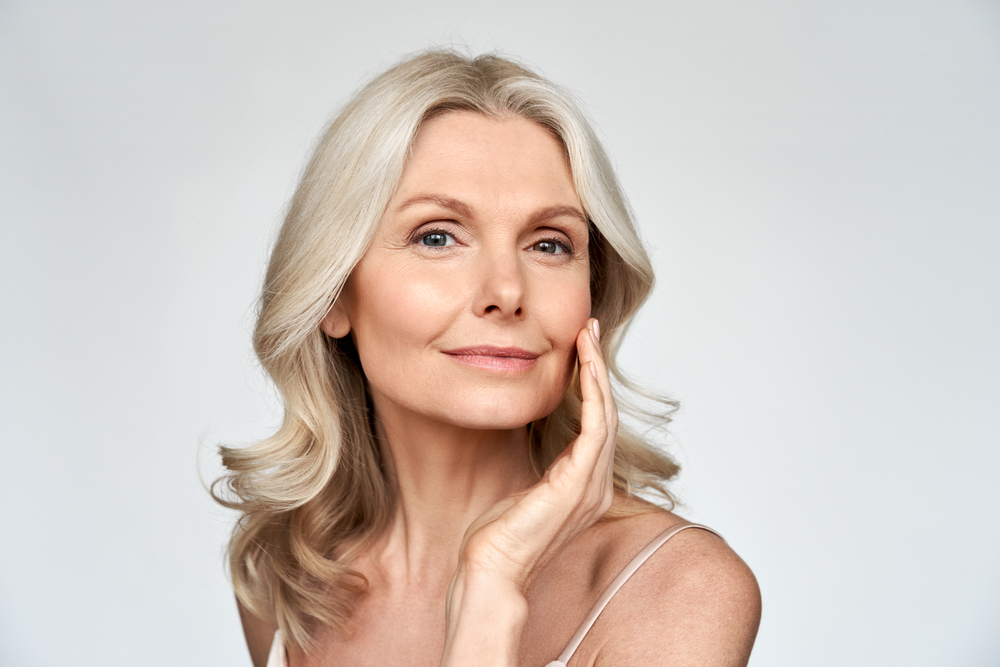


Skin elasticity and aging are influenced by various factors, with genetics playing a crucial role. While lifestyle and environmental factors contribute significantly to how our skin ages, genetic predisposition sets the foundation for skin characteristics. Understanding this connection can help in tailoring skincare routines and treatments to individual needs.
Understanding Skin Elasticity
Skin elasticity refers to the ability of the skin to return to its original shape after stretching or contracting. This elasticity is primarily determined by two key proteins: collagen and elastin. Collagen provides structure and strength, while elastin allows the skin to maintain flexibility and resilience.
The Genetic Component
- Collagen Production: Genetics largely determines the amount and quality of collagen your body produces. Certain genetic markers influence collagen synthesis, affecting how firm and smooth your skin remains as you age.
- Elastin Levels: Like collagen, elastin levels are also influenced by genetics. The degradation of elastin over time leads to sagging and loss of elasticity, which varies from person to person based on their genetic makeup.
- Skin Type and Sensitivity: Genetic factors contribute to skin type (oily, dry, combination) and sensitivity, influencing how skin responds to aging and environmental factors. Those with genetically dry skin may experience wrinkles earlier due to less natural moisture.
Genetics and Aging
- Intrinsic Aging: This natural aging process is largely determined by genetic factors and includes gradual changes such as fine lines, loss of volume, and decreased elasticity. The rate at which intrinsic aging occurs varies widely among individuals and is influenced by hereditary factors.
- Ethnic Differences: Genetics also play a role in how different ethnicities age. For example, people with higher melanin levels often have more natural protection against sun damage, which can lead to fewer wrinkles and slower signs of aging.
- Family Traits: Observing family members can provide insights into potential aging patterns. If your parents experienced early onset of wrinkles or sagging, you might be genetically predisposed to similar changes.
Mitigating Genetic Impact
- Targeted Skincare: Understanding your genetic predispositions allows for personalized skincare routines. Products rich in antioxidants, retinoids, and peptides can help support collagen and elastin production, mitigating some genetic effects on aging.
- Sun Protection: Regardless of genetic factors, protecting skin from UV damage is crucial. Daily use of broad-spectrum sunscreen helps prevent photoaging and preserves skin elasticity.
- Healthy Lifestyle: While genetics play a significant role, lifestyle choices such as a balanced diet, hydration, and regular exercise can positively impact skin health, supporting elasticity and delaying aging signs.
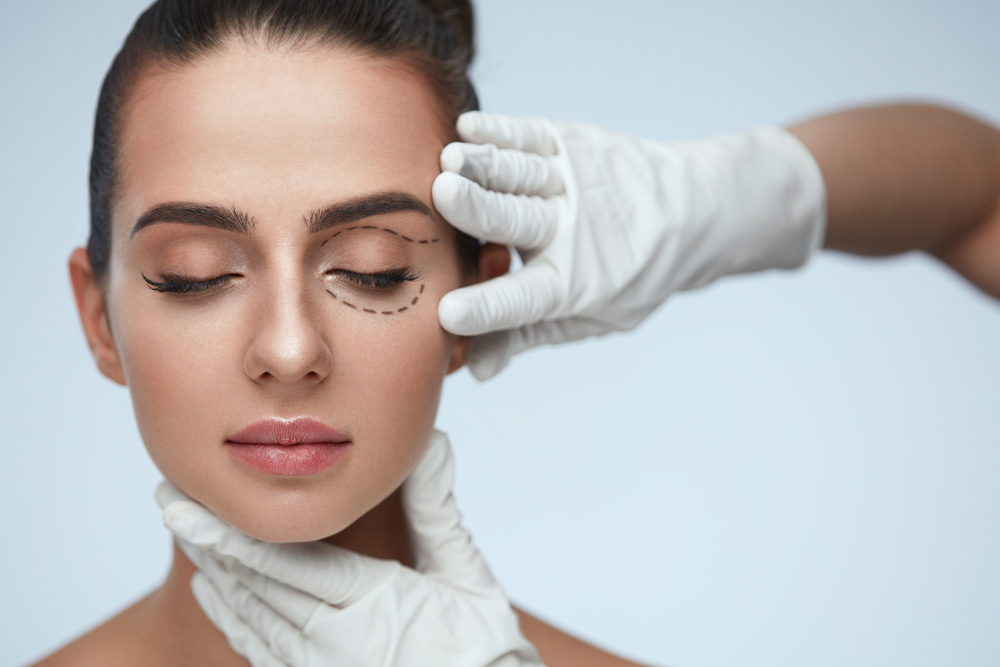
- Professional Treatments: Procedures like RF skin tightening, laser therapy, and injectables can address genetic predispositions to sagging and wrinkles, providing customized solutions to maintain youthful skin.
Genetics significantly influences skin elasticity and aging, affecting collagen and elastin levels and overall skin health. While we cannot change our genetic makeup, understanding its impact allows for more informed skincare and lifestyle choices.
By embracing tailored skincare routines, sun protection, and healthy habits, we can mitigate the genetic effects on aging and maintain healthier, more resilient skin. With advancements in cosmetic treatments, there are numerous options available to enhance skin elasticity and combat the signs of aging, helping individuals look and feel their best.