

Drooping eyelids can make you look tired, affect your confidence, and sometimes interfere with your vision. But not all drooping eyelids have the same underlying cause, and that means they don’t all require the same treatment. Two procedures commonly used to address drooping upper eyelids are blepharoplasty and ptosis repair. Although they may seem similar, they correct different anatomical problems. Understanding the distinction can help you have a more informed conversation with your eyelid surgeon about your symptoms, treatment options, and expected results.
What Is Blepharoplasty?
Blepharoplasty is a surgical procedure that removes or repositions excess tissue around the eyelids. Upper eyelid blepharoplasty primarily addresses excess skin, a condition known as dermatochalasis. As we age, the skin around our eyes can lose elasticity, causing it to stretch and fold over the natural eyelid crease. This extra skin may create a heavy or hooded appearance. In some cases, it can extend far enough to interfere with the upper or outer visual field.
Upper blepharoplasty may be considered when patients experience excess upper eyelid skin, skin that folds over the natural eyelid crease, a heavy or hooded appearance, difficulty applying makeup because of excess skin, or visual obstruction caused by redundant upper eyelid tissue. During the procedure, the surgeon carefully removes excess skin and may address underlying fat or other tissues when appropriate. The goal is to improve eyelid contour while preserving enough skin for comfortable, complete eyelid closure. Blepharoplasty can be performed for cosmetic or functional reasons, depending on the patient’s anatomy and symptoms. However, removing excess skin does not necessarily correct a problem with the muscle responsible for lifting the eyelid. That’s where ptosis repair comes in.
What Is Ptosis Repair?
Ptosis, also called blepharoptosis, occurs when the upper eyelid margin sits lower than its normal position. Unlike excess skin that hangs over the eyelid, ptosis involves the position of the eyelid itself. The upper eyelid is primarily raised by a muscle called the levator muscle. When this muscle or its attachment does not function properly, the eyelid may droop. Ptosis can develop because of age related stretching of the levator muscle’s attachment, congenital differences in eyelid muscle development, previous eye surgery or trauma, or certain neurological or muscular conditions.
Symptoms may include a visibly low eyelid, difficulty keeping the eye open, or an obstructed visual field. Some patients compensate by raising their eyebrows or tilting their heads backward to see more clearly. Ptosis repair is designed to improve the position of the eyelid margin by adjusting the structures responsible for lifting it. The surgical technique depends on the cause and severity of the drooping, as well as how well the levator muscle functions. Because ptosis can occasionally indicate an underlying medical condition, determining its cause is an essential part of the evaluation.
Blepharoplasty vs. Ptosis Repair: The Key Difference
The simplest way to understand these procedures is to consider what is actually drooping. Blepharoplasty addresses excess eyelid skin. Ptosis repair addresses an abnormally low eyelid margin. Imagine that your upper eyelid has a significant fold of loose skin, but the eyelid itself rests in a normal position. Removing the excess skin may address the primary concern. Now imagine that the eyelid margin sits unusually low, partially covering the pupil. Removing skin alone may not correct the problem because the eyelid’s lifting mechanism needs attention. Both conditions can produce a similar appearance, which is why a professional examination is important.
Can You Need Both Procedures?
Yes. Some patients have both excess upper eyelid skin and ptosis. For example, age related changes may cause the eyelid skin to stretch while the levator muscle’s attachment also weakens. In these situations, addressing only one condition may leave the other concern unresolved. A surgeon may recommend combining blepharoplasty and ptosis repair when both procedures are appropriate. However, combining procedures is not necessary for everyone. The decision depends on your eyelid anatomy, visual symptoms, eye health, and treatment goals. Brow position also matters. A low brow can contribute to hooding, and some patients compensate for drooping eyelids by constantly raising their eyebrows. A thorough evaluation helps distinguish these contributing factors before a treatment plan is developed.
How Does Dr. Mayli Davis Determine Which Procedure You Need?
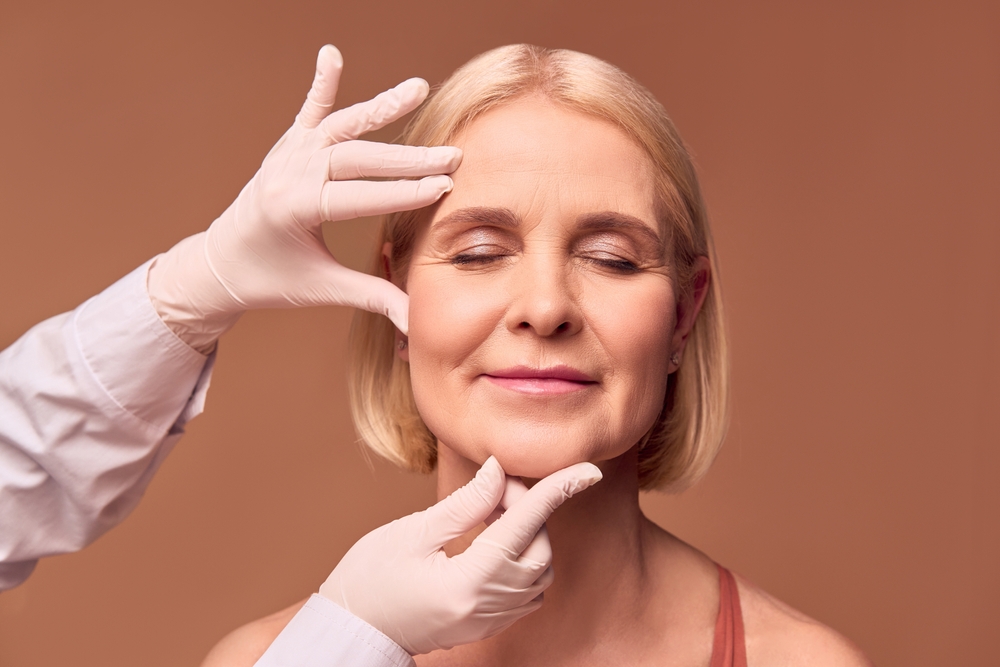
At Advanced Eyelid Surgery Center, an eyelid evaluation begins with understanding your concerns and examining the structures around your eyes. Your assessment may include eyelid position, excess skin, muscle function, brow position, and eye health. When functional impairment is suspected, visual field testing and photographs may also be recommended to document how the eyelids affect vision. These findings help determine whether blepharoplasty, ptosis repair, a combination of procedures, or another approach is appropriate.
Will Eyelid Surgery Improve Your Vision?
Both procedures may improve the visual field when drooping tissue physically obstructs sight. For patients with excess upper eyelid skin, blepharoplasty can remove tissue that blocks part of the visual field. For patients with ptosis, repairing the eyelid’s lifting mechanism may raise the eyelid margin and reduce obstruction. However, neither procedure is intended to correct refractive errors such as nearsightedness or treat unrelated eye diseases. The potential functional benefit depends on the cause and severity of the eyelid obstruction.
What About Recovery?
Recovery varies depending on the procedure, surgical technique, and individual healing response. Temporary swelling, bruising, and discomfort are common after eyelid surgery. Patients may also experience temporary dryness, irritation, or changes in eyelid closure. Your surgeon will provide instructions about incision care, activity restrictions, medications, and follow up appointments. Possible surgical risks include asymmetry, infection, bleeding, dry eye, incomplete eyelid closure, and the need for additional treatment. Rare but serious complications can affect vision. Understanding these risks and discussing realistic expectations are important parts of deciding whether surgery is appropriate.
Find the Right Treatment for Your Eyelids
Drooping eyelids may look similar from person to person, but the underlying causes can be very different. Whether your concern involves excess skin, a low eyelid margin, or a combination of both, the first step is identifying the problem accurately. Dr. Mayli Davis and the team at Advanced Eyelid Surgery Center can evaluate your eyelid anatomy, discuss your concerns, and help determine which treatment options may be appropriate. Schedule a consultation with Advanced Eyelid Surgery Center by calling (817) 778-4444.