

The skin around your eyes is delicate, so even a small amount of irritation can feel uncomfortable. Redness, itching, dryness, flaking, or swelling may appear suddenly after trying a new product or gradually without an obvious trigger. One possible explanation is eyelid dermatitis, a type of skin inflammation that can affect the upper lids, lower lids, or both. Because several eye and skin conditions look similar, an examination may be needed before choosing treatment.
What Is Eyelid Dermatitis?
Dermatitis means inflammation of the skin. On the eyelids, it may cause a red or darker-than-usual rash, itching, roughness, scaling, and sometimes cracking. Swelling can make the eyes look puffy. The appearance varies with skin tone and the stage of inflammation. The rash may involve the eyelids alone or appear alongside symptoms elsewhere on the face or body.
Two common patterns are irritant contact dermatitis and allergic contact dermatitis. An irritant reaction occurs when a substance disrupts the skin barrier; it does not require an allergy. Allergic contact dermatitis involves a delayed immune response to something the skin has become sensitized to. Atopic dermatitis, often called eczema, can also involve the eyelids. Identifying the pattern matters because avoiding an irritant and identifying a specific allergen are not exactly the same task.
What Can Trigger a Reaction?
Makeup, facial cleansers, sunscreen, moisturizers, eye creams, lash adhesives, and certain eye drops may irritate eyelid skin or trigger an allergy. Products do not have to be applied directly to the eyelids to cause a problem. Nail polish or hand cream can reach the area when you rub your eyes, and hair products may transfer during washing or sleep. Fragrance, preservatives, and some metals are potential allergens, but no ingredient should be blamed without considering the full history.
A product labeled natural, hypoallergenic, or suitable for sensitive skin is not guaranteed to be tolerated by everyone. Even a familiar product can become a problem if its formula changes or a new sensitivity develops. Conversely, a recent purchase may be coincidental rather than the true cause. Keep a list of products you use, including prescription drops, rather than discarding everything at once and losing useful clues.
How Is Dermatitis Different From an Eye Infection?
Eyelid dermatitis primarily affects the skin, while conjunctivitis involves the membrane covering the white of the eye and the inner eyelid. Blepharitis commonly affects the lid margins near the lashes. These conditions can overlap, and irritation may lead to rubbing that worsens symptoms. Thick discharge, a tender localized bump, fever, or rapidly increasing redness may point toward a different problem requiring assessment.
Seek urgent care for significant eye pain, changes in vision, marked sensitivity to light, fever with worsening eyelid swelling, or difficulty moving the eye. A rash that looks mild in a photograph cannot rule out an eye-surface or deeper infection. If you wear contact lenses and develop a painful red eye, remove the lenses and obtain prompt professional evaluation.
What Should You Do When a Rash Appears?
Stop using a newly introduced nonessential cosmetic product if you suspect it is contributing, and avoid rubbing or scratching the area. Gentle cleansing and a simple, clinician-approved moisturizer may help support the skin barrier. Do not put essential oils, harsh exfoliants, or home remedies close to the eye. Avoid applying another person’s prescription cream or using over-the-counter steroid creams on the eyelids without medical advice.
The eyelid skin is thin, and inappropriate or prolonged use of topical steroids around the eyes can cause complications. Some treatments also carry risks if they get into the eye. A clinician can select a suitable medication, explain where and how long to apply it, and determine whether treatment of the eye surface is also needed. If a prescribed eye medication seems to trigger a reaction, contact the prescribing clinician before stopping an essential treatment.
How Does a Specialist Identify the Cause?
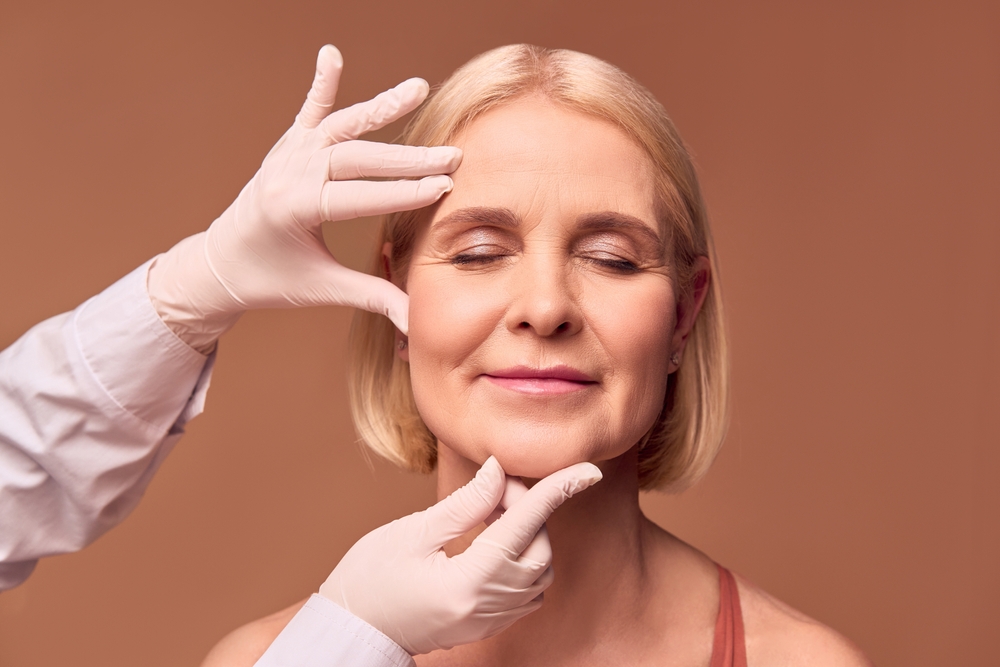
An examination considers the distribution of the rash, the condition of the lid margins, the eye surface, and the timeline of symptoms. Your clinician may ask about cosmetics, skin care, work exposures, medications, nail products, and recent changes to your routine. Bringing product names or ingredient lists can make this conversation more useful.
For recurring or unexplained suspected allergic contact dermatitis, referral for patch testing may be appropriate. Patch testing is different from a typical immediate allergy test and can help identify delayed contact allergens. It is not necessary for every patient. Sometimes the history and response to a carefully planned avoidance strategy provide enough information; other times, additional testing or dermatology input is needed.
Can Eyelid Dermatitis Come Back?
Yes. Symptoms may return if the trigger remains in a daily routine or if the skin barrier has not recovered. Repeated flare-ups do not necessarily mean a treatment failed; they may mean that an exposure has not yet been identified or that more than one condition is present. Avoiding a confirmed allergen, using gentle products, and following an individualized care plan may reduce future episodes.
If the rash persists despite reasonable measures, avoid cycling through increasingly strong creams on your own. An eye or skin specialist can reassess the diagnosis and check for conditions such as blepharitis, rosacea, or another inflammatory disorder. Persistent one-sided changes, unusual lesions, or a rash that bleeds or does not heal should also be examined rather than assumed to be eczema.
When to Make an Appointment
Arrange an evaluation if eyelid redness, itching, scaling, or swelling persists, keeps returning, or affects your ability to use necessary eye medication. Bring a list of products and note when symptoms began. An appropriate diagnosis can help you avoid unnecessary products and choose treatment that protects both the eyelid skin and the eye itself. Contact Advanced Eyelid Surgery Center to ask whether an eyelid evaluation is appropriate for your symptoms.