

Eyelid surgery is becoming more popular as millennials seek a competitive edge in the workplace. A report from the American Academy for Facial Plastic and Reconstructive Surgery, states that face of plastic surgery is indeed getting younger as more millennial patients are seeking facial surgery procedures and other anti-aging treatments at a rate higher than ever in order to stop the hands of time before they even start.
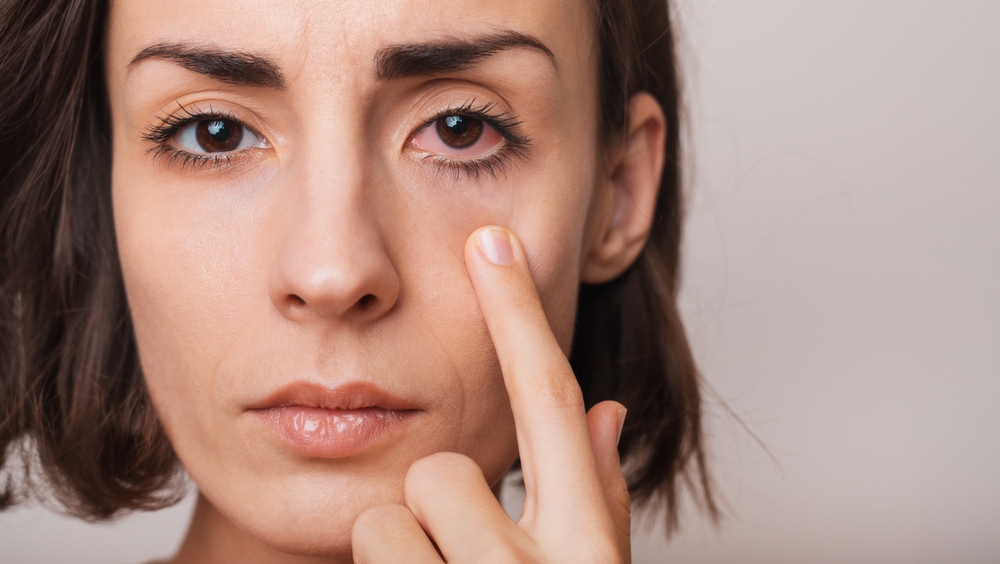
Fifty one percent of millennial patients who sought eyelid surgery cited their desire to appear more alert or awake. Many believe the change in appearance will help them look engaged and active in the workplace- even if they are fatigued.
Millennials are the largest age demographic in the United States, with over 75.4 million people. Millennials were born between 1982 and 2004, although some demographers make the claim the first millennials were born in 1978.
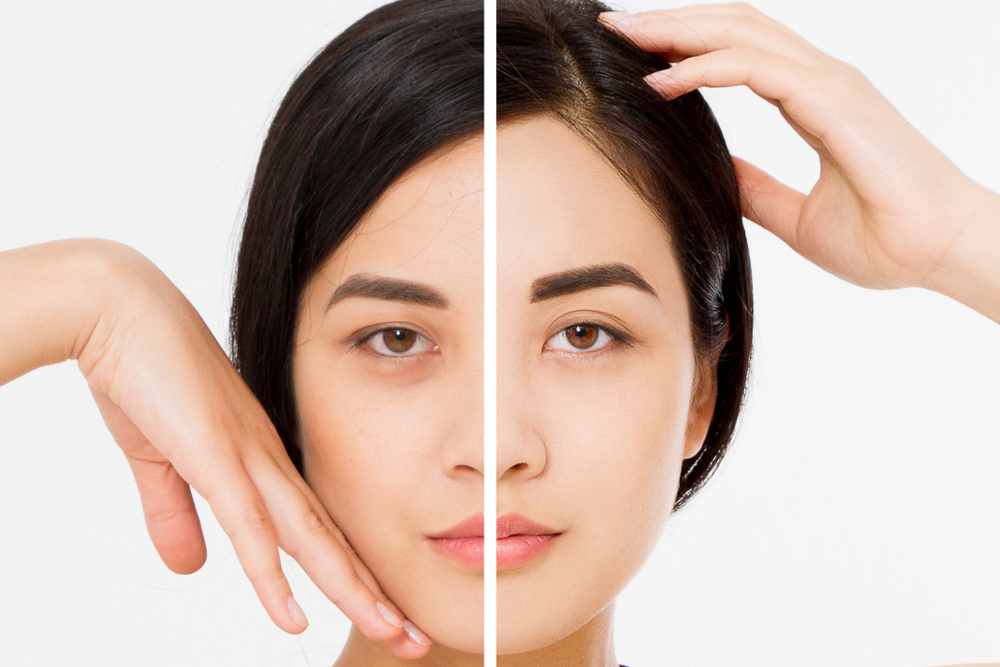
The eyelid surgery procedure that they are after is known as cosmetic blepharoplasty. The procedure surgical removes excess eyelid skin, muscle and fat from the eye. The blepharoplasty procedure gives patients in a more youthful and alert look.
Some other patients choose to undergo this eyelid procedure in order to remove excess skin impeding their vision. This is known as functional blepharoplasty.
Although many blepharoplasty patients are baby boomers and on the opposite end of the age spectrum, some millennials may have extra tissue that may make their eyelids look smaller or tired. In some cases, this extra tissue physically weighs down the eyelid and eyebrows, causing them to droop and sag.
Dr. Mayli Davis, M.D. is a Colleyville, Texas, opthamalogist who performs cosmetic blepharoplasty procedures on patients of all ages.
“The most common complaint of patients who are seeking cosmetic blepharoplasty is that their eyes look tired or old,” Davis said.
This is frustrating for many individuals who may feel as if they are being judged as tired or worn out, despite getting a restful night’s sleep. Other popular preemptive procedures for millennials included dermal fillers like Juvederm and Restalyne. These fillers are so popular because they fill out the face and smooth out wrinkles and fine lines. While many millennials may not have wrinkles to worry about just yet, many are hoping that an ounce of Botox is worth a pound of cure.
Botox is also a popular preventative treatment for millennials- with the number of treatments going up 41 percent between 2011 and 2015 according to a 2016 report from the American Academy of Aesthetic Plastic Surgery.
Other reasons for millennial plastic or aesthetic procedures included the desire to look like a favorite celebrity, a condition known as the Kardashian effect.
“People naturally want to look their best- both in photos and in real life, and cosmetic procedures help patients achieve the look they want or fix a perceived flaw that likely has bothered them for years,” Davis said.
Social media has also made cosmetic and plastic surgery procedures more acceptable and also shareable as many share pictures of themselves before and after their procedures.
“When people see their friends looking great, they may be prompted to ask their friend about their procedure or the physician that did the work,” Davis said.
Other popular procedures for millennials mentioned in the AAFPRS report want include the lip procedures to make lips look full and pouty, but still appear natural. Other popular procedures include breast augmentation and reduction, as well as rhinoplasty, also known as the nose job.
Sources:
AAFPRS, “Face of Plastic Surgery Goes Younger Due to Growing Social Media and Reality TV Influence on Millennials”, 1 January 2016
ASAPS, “What Millenials Like: Rise In Botox Use Linked to Social Media”, 23 March 2017