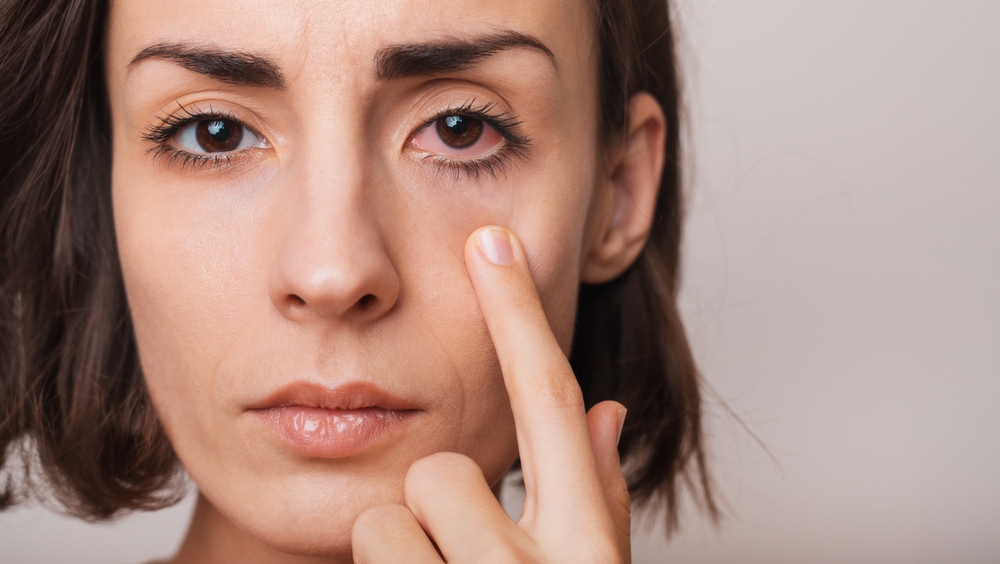



Wrinkles. They’re a part of the aging process. But did you know they can develop because of other things, too? Genetics, prolonged sun exposure, smoking, an unhealthy diet and other behavioral effects can factor in as well. But, did you know that stress is also a contributor to wrinkles and premature aging?
How Does Stress Contribute to Wrinkles?
Unfortunately, it’s true. Stress can cause damage to the skin’s most vital proteins— collagen and elastin. Stress causes these proteins, which give their skin its strength, structure, and ability to stretch and retract to break down.
This happens because stress causes increases levels of the hormone cortisol, which can cause collagen and elastin to break down.
Stress also causes high levels of inflammation—two to four times greater than usual, too. When inflammation levels are high, the body does not readily repair itself, meaning skin damaged by stress remains damaged. This translates into more premature aging for you.
“When the body is stressed for long periods, you’ll eventually see that on your face,” said Dr. Mayli Davis, of Colleyville, Texas.
Additionally, researchers say that prolonged periods of stress can contribute to insulin resistance. Insulin resistance can lead to high blood sugar levels, which trigger glycation, a process that prevents the skin from being elastic.
“This means when the skin stretches, it becomes damaged instead of returning to its natural shape,” Davis said.
With COVID-19, stress is at an all-time high.
“Many people are naturally experiencing high levels of stress right now, and the things that are stressing them are keeping them up all night—which further contributes to the development of wrinkles,” Davis said.
How to Fight Stress
“You can help reduce stress and stress on your skin by getting enough sleep,” Davis said.
While this may be easier said than done right now, people should establish a routine of going to bed at the same time every night and getting up at the same time every morning.
“Turn off electronics about an hour before bedtime and skip the nightcap,” Davis sais.
But don’t skip your skincare routine.
“Wash your face and use a high-quality moisturizer with retinol,” Davis said.