

Your eyelids do more than frame your eyes. They help spread tears, protect the cornea, and close comfortably during sleep. When thyroid eye disease changes the tissues around the eyes, the eyelids may sit higher than usual, become swollen, or fail to close completely. These changes can affect comfort and vision, not just appearance.
Thyroid eye disease (TED), also called Graves’ orbitopathy, is an inflammatory condition involving the tissues around the eyes. It often occurs in people with Graves’ disease, but it can also occur in people with other thyroid conditions or normal thyroid blood tests. Not everyone with a thyroid disorder develops TED. An eye examination is necessary to determine whether eyelid changes are related to TED or another condition.
What Changes Might You Notice?
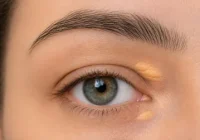
One common sign is eyelid retraction. The upper lid sits unusually high, sometimes exposing white above the colored part of the eye. The lower lid may also sit lower than expected. You might notice a wide-eyed appearance, puffiness, redness, pressure around the eyes, or a gritty sensation. Some people develop increased tearing because an exposed eye surface becomes irritated. Others notice that their eyes do not close fully when they blink or sleep.
TED can also affect muscles and tissue deeper in the eye socket. This may cause the eyes to appear more prominent or produce double vision. These findings deserve a comprehensive evaluation rather than an assumption that the problem is simply cosmetic.
Why Eyelid Position Matters for Eye Health
Your eyelids normally help maintain a stable tear film. When the opening between the lids becomes larger or blinking is incomplete, tears can evaporate more readily. The exposed cornea may become dry, irritated, or damaged. Symptoms can include burning, sensitivity to light, blurred vision, and the feeling that something is in the eye.
An eyelid that looks unusually high is not the same as a drooping eyelid. Ptosis refers to a lid margin that sits too low; retraction refers to one that sits too high or, for a lower lid, too low. The distinction matters because the treatments are different. Removing eyelid skin is not a substitute for evaluating an abnormal lid position.
When to Seek Urgent Care
Sudden or worsening vision loss, a noticeable change in color vision, severe eye pain, or new significant double vision requires prompt assessment. TED can occasionally threaten vision through pressure on the optic nerve or serious corneal exposure. Do not wait for a routine cosmetic consultation if these symptoms develop. A clinician may recommend urgent ophthalmic evaluation or emergency care based on the symptoms.
How Is Thyroid Eye Disease Evaluated?
An eye specialist begins with your symptoms, medical history, thyroid history, and the timing of any changes. The examination may include visual acuity, color vision, pupil responses, eye movements, the position of each eyelid, how far the eyes protrude, and the health of the cornea. Your clinician may assess whether the inflammation appears active and whether there is a risk to vision.
Blood tests and imaging are sometimes appropriate, particularly when the diagnosis is uncertain or deeper structures may be involved. Your eye specialist may coordinate care with your endocrinologist or primary care clinician. Thyroid hormone management is important for overall health, but correcting thyroid levels alone does not necessarily resolve all eye symptoms.
What Treatments Are Available?
Treatment depends on disease activity, severity, and the structures involved. For mild exposure symptoms, a clinician may recommend preservative-free artificial tears, lubricating ointment, or other strategies to protect the ocular surface. Patients who smoke should discuss cessation support with their healthcare team because smoking is associated with worse TED outcomes.
More active or severe disease may require medical treatment directed by clinicians experienced with TED. Options can include anti-inflammatory treatment or other disease-specific therapies, depending on eligibility and risks. Significant vision-threatening complications require urgent specialist management. There is no single treatment plan that fits every patient.
When inflammation has stabilized, surgery may be considered for persistent structural problems. Depending on the individual case, treatment may address the eye socket, eye muscles, or eyelids. The order of procedures matters: changing the position of the eye or its muscles can affect eyelid alignment. Eyelid surgery is therefore often planned after other necessary reconstructive steps. Your surgeon will explain whether and when a lid-position procedure is appropriate.
What Should You Ask at Your Appointment?
Bring a list of symptoms, recent photographs if the changes have been gradual, your thyroid medications, and information about prior eye procedures. Ask whether the disease appears active, whether your cornea or optic nerve is at risk, what can relieve discomfort now, and which treatments should wait until the condition stabilizes. If surgery is discussed, ask what it can realistically improve and what risks or additional procedures may be involved.
A Personalized Evaluation Matters
An eye that looks more open is not always a healthier eye. Eyelid retraction, swelling, and incomplete closure should be evaluated with attention to both appearance and function. If you have noticed changes around your eyes and have a thyroid condition—or are unsure of the cause—contact Advanced Eyelid Surgery Center to discuss an appropriate evaluation. Call (817) 778-4444 to inquire about an appointment. Sudden vision changes or severe symptoms need urgent care rather than a routine appointment.