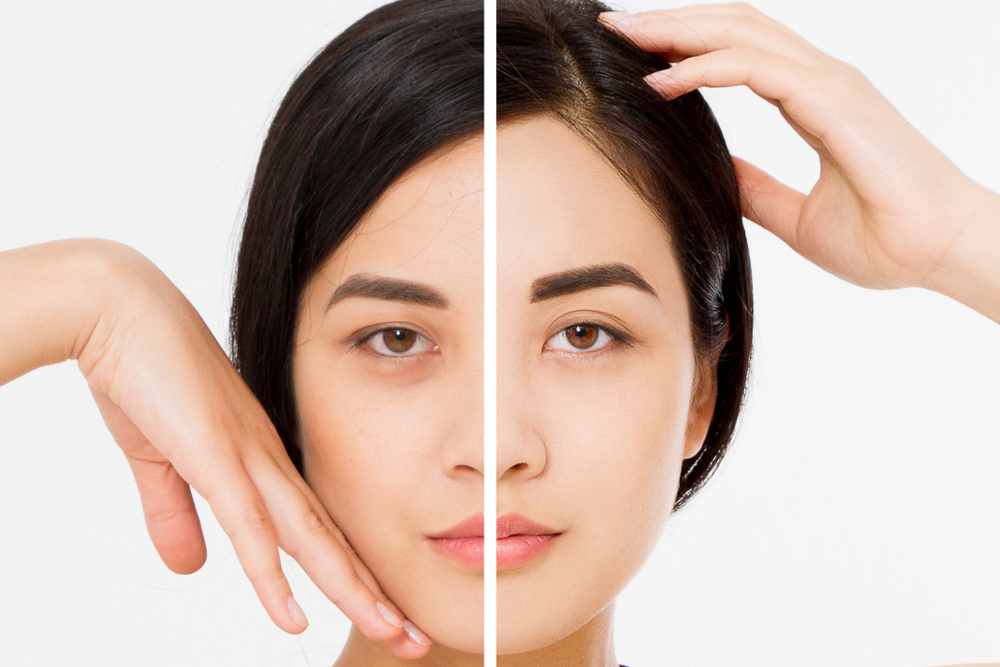


If you’re considering a chemical peel, you’re likely wondering if it’s the right treatment for you. A chemical peel can treat a variety of skin concerns, but it’s not right for everyone. Let’s discuss the benefits of a chemical peel and who is a good candidate for the treatment.
What is a Chemical Peel?
A chemical peel is a process that involves applying a chemical solution to the skin and removing the top layers. The regenerated skin is smoother. You may need to repeat the technique with a light or medium peel to achieve the desired results.
Risks of a Chemical Peel
While chemical peels are usually safe, there are some risks associated with the treatment. The most common side effects are redness, swelling, and scaling of the skin. These side effects typically go away within a few days. More serious side effects include infection and scarring. Before you undergo a chemical peel, be sure to discuss the risks with your doctor.
Benefits of a Chemical Peel
Chemical peels can improve the appearance of your skin by reducing:
- wrinkles
- fine lines
- age spots
- acne
- dryness
The treatment can also help to even out your skin tone and give you a more youthful appearance. If you are considering a chemical peel, be sure to discuss the benefits and risks with your doctor.
Am I A Good Candidate for a Chemical Peel?
Chemical peels help to enhance the appearance of a variety of skin tone and texture issues. Peels, on the other hand, aren’t ideal for every aesthetic necessity. Chemical peels aren’t typically suggested if your scars or wrinkles are particularly deep, and they won’t tighten sagging skin. Chemical peels are generally safe for those who are in good health, however there are specific health issues and skin characteristics that make them less effective and increase the risk of side effects, such as:
- People who are taking isotretinoin for acne treatment
- Those with a personal or familial history of aberrant scar tissue
- Anyone with open sores, lesions, infections, or poorly managed chronic skin diseases who is nursing, breastfeeding, or actively trying to get pregnant
- People who spend a lot of time outdoors and are exposed to the sun
- Chemical peels may raise the likelihood of pigmentation issues in people who have naturally darker skin tones.
What to Expect After a Chemical Peel
After your chemical peel you will be given aftercare instructions by your dermatologist or aesthetician. These will likely include:
- Washing the treated area with a gentle cleanser and applying an ointment or cream
- Avoiding sun exposure and wearing sunscreen when outdoors
- Expecting peeling skin for the next several days to weeks
- Avoiding makeup
- Utilizing sunscreen as your skin is more susceptible to burning.
- Scheduling a follow-up appointment with your dermatologist or aesthetician
If you have any questions or concerns, be sure to reach out to the staff at the dermatologist office or the medical spa where you received your treatment. They will be more than happy to help you through the process and ensure that you are satisfied with your results.
Get Glowing Skin Today
Are you ready to take your skin to the next level? Chemical peels offer a wide range of benefits, from reducing wrinkles and fine lines to evening out skin tone. If you’re considering a chemical peel, Dr. Mayli Davis can help you decide if this treatment is right for you. Call us today!