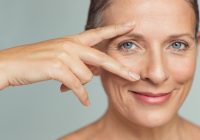


Have you ever noticed that one eyelid looks different from the other?
Eyelid asymmetry is very common and often more noticeable in photos or when you are feeling tired. While some differences are subtle, others can affect both appearance and confidence.
Understanding the causes of uneven eyelids is the first step toward finding the right solution.
What Is Eyelid Asymmetry
Eyelid asymmetry occurs when one eyelid sits higher or lower than the other, or when the shape and contour of each eye look different.
This can involve:
- Upper eyelids that appear uneven
- One eye looking more open than the other
- Differences in crease height or fullness
In many cases, the asymmetry has been present for years but becomes more noticeable over time.
Common Causes of Asymmetrical Eyelids
Natural Anatomy
Most people are not perfectly symmetrical. Small differences in muscle strength, bone structure, and skin can lead to uneven eyelids.
These variations are normal but can become more apparent with aging.
Ptosis or Drooping Eyelid
Ptosis occurs when the muscle that lifts the eyelid weakens.
This can cause:
- One eyelid to sit lower than the other
- A tired or heavy appearance
- In some cases, vision obstruction
Aging Changes
As the skin loses elasticity, one eyelid may begin to droop more than the other.
This can result in:
- Uneven skin laxity
- Differences in fat distribution
- A more noticeable imbalance between the eyes
Previous Treatments or Procedures
Prior surgery or injectables may sometimes lead to asymmetry if results settle unevenly.
This is why choosing an experienced specialist is so important.
Can Eyelid Surgery Fix Asymmetry
In many cases, yes. Eyelid surgery can be tailored to address the unique differences between each eye.
Treatment options may include:
- Adjusting excess skin on one or both eyelids
- Correcting muscle weakness in cases of ptosis
- Repositioning or removing fat for better balance
The goal is not to create perfect symmetry, but to achieve a natural and harmonious appearance.
Why Expertise Matters
Eyelid asymmetry requires a highly individualized approach.
An experienced surgeon like Dr. Davis understands how to:
- Evaluate subtle differences between the eyes
- Customize treatment for each eyelid
- Preserve natural expression while improving balance
This level of precision is essential for achieving results that look effortless and refined.
Uneven eyelids are more common than many people realize, and effective solutions are available.
If you are concerned about asymmetry, a consultation at the Advanced Eyelid Surgery Center can help determine the underlying cause and the best treatment approach for your goals.
For personalized recommendations, always consult with a qualified specialist.