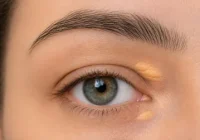


An eyelid twitch can be distracting, especially when it appears during a busy week and seems to have a mind of its own. Most brief eyelid twitches are harmless and resolve without a procedure. But repeated, forceful blinking or involuntary eye closure is different from an occasional flutter. Understanding that distinction can help you decide when an eye examination is worthwhile.
The word blepharospasm refers to involuntary contractions of the muscles that close the eyelids. Benign essential blepharospasm is a neurological movement disorder that typically affects both eyes. It is not the same as a mild twitch in one small area of an eyelid, and it should not be diagnosed from symptoms alone. An eye specialist can look for irritation, abnormal muscle activity, and other causes of excessive blinking.
The Common Eyelid Twitch
A familiar eyelid flutter is often called eyelid myokymia. It may involve the upper or lower eyelid and can come and go. Stress, fatigue, caffeine, and eye irritation are commonly discussed triggers. When the twitch is mild, does not close the eye, and resolves, it often requires no specific treatment. Getting adequate rest, reducing a suspected trigger, and addressing dry-eye symptoms with clinician-approved care may help.
However, the fact that a twitch began during a stressful period does not prove stress is the cause. If symptoms persist, worsen, or spread to other facial muscles, a medical evaluation is more useful than repeatedly trying home remedies.
What Makes Blepharospasm Different?
With blepharospasm, contractions may cause frequent blinking, squinting, or forceful closure of both eyelids. Some patients initially notice increased blinking or sensitivity to bright light. Over time, episodes may interfere with reading, driving, working, or keeping the eyes open. Symptoms vary, and not everyone experiences the same progression.
Blepharospasm is sometimes described as benign because it is not a cancer, but the symptoms can still be significantly disabling. The condition should not be dismissed as a cosmetic inconvenience or a nervous habit. Patients deserve an evaluation that considers their daily functioning and safety.
Could Something Else Be Causing the Blinking?
Yes. Dry eye, blepharitis, corneal irritation, allergies, and other ocular surface problems can cause reflex blinking or squeezing. Certain medications and neurological conditions can also be relevant. Spasms affecting only one side of the face may suggest hemifacial spasm, which requires a different assessment. An eyelid that droops between spasms or an eye that does not close fully may point to another issue.
Because these conditions overlap in appearance, treatment should follow a diagnosis rather than a guess. Your clinician may examine the eyelid margins, tear film, cornea, blink pattern, and facial movements. They will ask about symptom timing, triggers, medication use, and whether the contractions occur in one eye or both.
When Should You Make an Appointment?
Arrange an eye examination if twitching lasts for an extended period, becomes more frequent, forces your eyes closed, affects daily activities, or involves other parts of your face. Seek prompt care if you develop new vision loss, significant eye pain, marked redness, or other acute eye symptoms. New facial weakness, speech difficulty, or other sudden neurological symptoms require emergency assessment.
If spasms interfere with driving, avoid driving until a clinician has assessed the problem and you can keep your eyes open reliably. This is a practical safety issue, not a judgment about the severity of the underlying condition.
How Is Blepharospasm Treated?
Treatment depends on whether the contractions are due to an eye-surface problem, essential blepharospasm, or another cause. If dry eye or inflammation is contributing, the clinician may first recommend targeted treatment for that condition. Lubrication and management of light sensitivity may improve comfort, but they do not cure essential blepharospasm.
For confirmed benign essential blepharospasm, botulinum toxin injections are a common first-line treatment. Carefully placed injections weaken selected muscles temporarily, reducing involuntary contractions. The effect wears off, so repeat treatments are usually needed. The dose, injection sites, timing, and response vary by patient. Possible side effects include temporary drooping, incomplete eyelid closure, double vision, or increased dryness. A treating clinician should discuss the risks and determine whether injections are appropriate.
Other treatments, including surgery in selected cases, may be considered when injections provide insufficient relief or are not tolerated. Surgery is not the starting point for most patients, and it does not guarantee complete symptom resolution. A specialist can explain whether referral to a neurologist or another clinician is useful.
Preparing for Your Visit
Try to note when the twitching occurs, whether one or both eyes are involved, whether your eyelids close involuntarily, and how the episodes affect everyday tasks. A short video recorded safely by another person can sometimes help show an intermittent symptom. Bring a current medication list and mention any dry eye, light sensitivity, facial movements, or recent changes in vision.
Useful questions include: Is this ordinary eyelid twitching or a spasm disorder? Could an eye-surface condition be contributing? What treatment is appropriate for the diagnosis? If injections are recommended, how long might relief last, what side effects should I watch for, and what happens if the first treatment is not enough?
Getting the Right Diagnosis
An occasional flutter and forceful eyelid closure are not interchangeable symptoms. If your eyelid movements are persistent or affecting your routine, a careful examination can identify treatable irritation and determine whether further specialist care is needed. Contact Advanced Eyelid Surgery Center at (817) 778-4444 to inquire about an evaluation or appropriate referral. For sudden vision changes or neurological symptoms, seek urgent care.