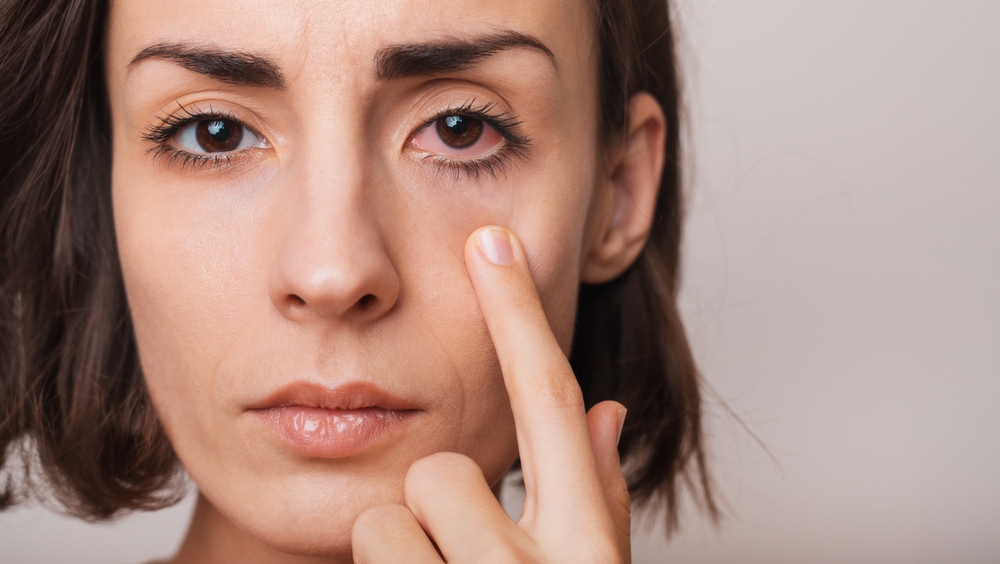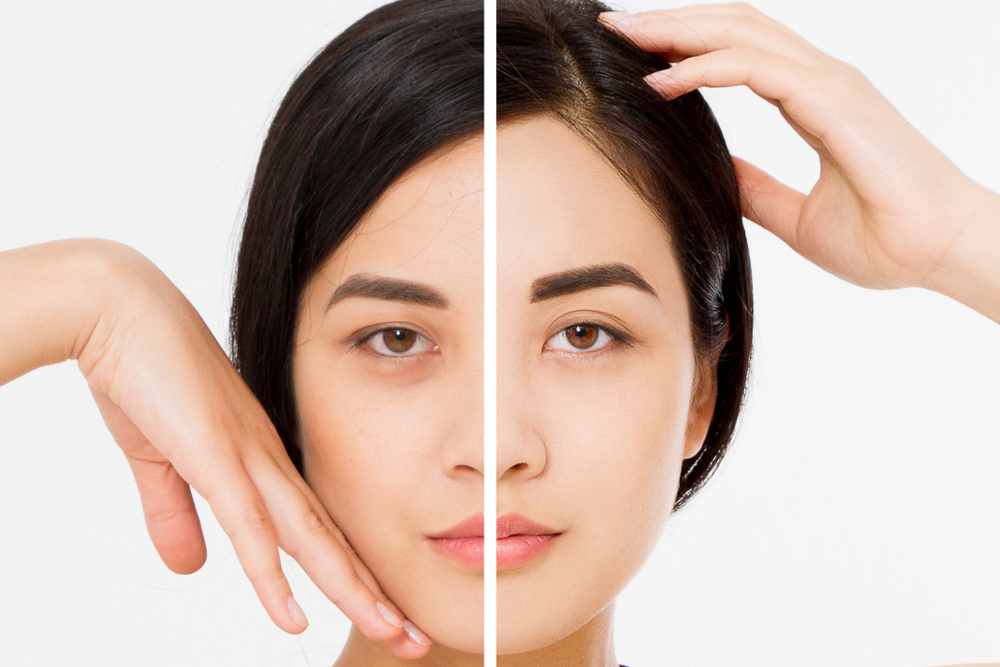


YouTube, the world’s second largest search engine, is great for many things, but using it to do research on plastic surgery is not one of them, according to a new study from Rutgers University. In the first study in history to evaluate YouTube videos on facial plastic surgery procedures, researchers discovered that many YouTube videos are misleading and used as a sort of marketing campaign for non-qualified medical professionals. The study was published in JAMA Facial Plastic Surgery.
According to YouTube’s own statistics, users watch over 1 billion hours of YouTube videos each and every day – more than what is watched on Netflix and Facebook combined!
“The internet has provided a wonderful source for patients to learn more about the medical professionals they trust with their health along with the procedures they’re considering undergoing, but you always have to be careful that the information you’re receiving comes from a reliable source,” said Dr. Mayli Davis of Advanced Eyelid Surgery Center.
Lead study author Boris Paskhover and his team at Rutgers New Jersey Medical School analyzed the top 240 viewed videos with 160 million combined views. They used keyword searches that included “blepharoplasty,” “eyelid surgery,” “facial fillers,” “dermal fillers,” “otoplasty,” “ear surgery,” “rhytidectomy,” “facelift,” “lip augmentation,” “lip fillers,” “rhinoplasty” and/or “nose job.” The research team used a special scale for analyzing medical information online and in other media called DISCERN. This scale takes into consideration account risks, validity of the information presented and discussion of non-surgical options.
In addition to using the DISCERN scale, the team also notated who uploaded and posted the videos to YouTube to discern if they were health care professionals, patients or third parties. Once this was determined, the team rated the physicians by their board status on the American Board of Specialties database.
The results were concerning for many. A majority of the videos did not include medical professionals who were qualified to perform the procedures portrayed. In fact, 94 of the videos included no medical professional at all. Seventy-two out of the 240 videos analyzed included valuable patient information, according to their DISCERN scores and the other evaluation methods used in the study.
“Blepharoplasty, or eyelid surgery, is not a procedure you want to have done by anyone but a qualified professional,” said Davis. “Anytime you work with the eyes, there are many risks involved, including vision loss, so I caution all patients to go straight to a qualified medical professional when considering any procedure like this for accurate information and the expertise required to successfully complete a surgery such as a blepharoplasty.”