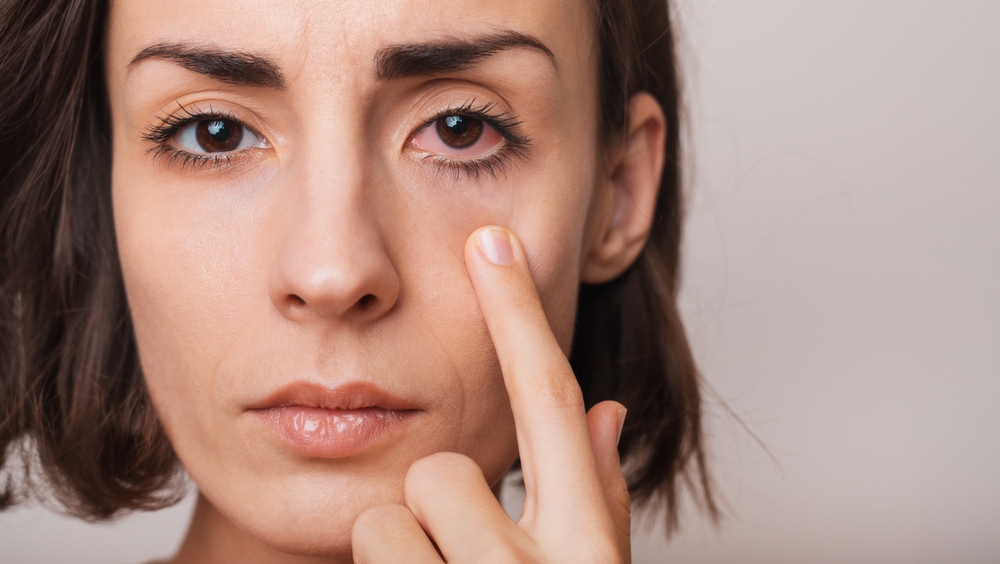


Have you noticed eyelids that are beginning to droop or sag, either for yourself or someone you love? It’s a frustrating condition that leaves many people wondering what causes it – and if there’s anything that can be done about it.
The muscles that control the movement of your eyelids are called the levator muscles. When there’s an injury to these muscles or they become weaker due to age, the eyelids may begin to droop or sag. In addition to injury and aging, many chronic medical conditions can contribute to ptosis, or upper eyelid drooping. Some of these include
- Diabetes
- Myasthenia gravis
- Cluster headaches
- Stroke
- Lung cancer
- Horner’s syndrome
- Bell’s palsy
- Microvascular cranial nerve palsy
- Nerve or brain damage
In many cases, drooping eyelids are just a cosmetic inconvenience. Many people report feeling like they look older because of this condition and often seek treatment for this reason. In other cases, the drooping or sagging of the upper eyelid may become so severe that it begins to interfere with vision. When this happens, it’s important to seek treatment right away in some cases, health insurance may cover the procedure when vision is impaired and treatment becomes a medical necessity.
Surgery to correct ptosis is called blepharoplasty and can be performed on the upper, lower, or upper and lower eyelids as needed. During the surgery, the levator muscles are manually tightened and the eyelid is “lifted” to improve appearance and vision. Excess fat and skin, which may be causing eyelid droop or bags under the lower eyelids, can also be removed .
The procedure is a simple outpatient one, and the incisions are made along the natural lines of the lids, meaning any scarring after the surgery is minimal and hidden in the natural crease of the eye.
For more information on ptosis or blepharoplasty, or to schedule a consultation with Dr. Davis at the Advanced Eyelid Surgery Center, call us today at 817-778-4444.